Drones help tame the last of the wilding pines near Tekapo River
Date: 12th October 2026
Article republished from Farmers Weekly Oct 6th 2026 https://www.farmersweekly.co.nz/news/drones-help-tame-the-last-of-the-wilding-pines/?utm_source=AgriHQ&utm_campaign=5463e014bd-2026_10_09_FW_PREVIEW&utm_medium=email&utm_term=0_-5463e014bd-434252827
Stragglers spotted with the help of aerial technology as crews close in on Tekapo River holdouts.
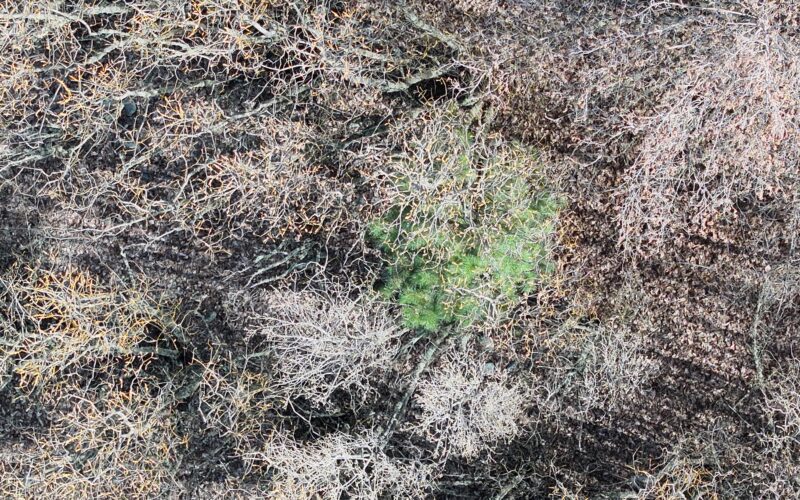
Drones have been deployed in the hunt for the last of the wilding pine stragglers around the Tekapo River.
The drones are helping crews track down individual trees that remain after years of successful control work.
Toitū Te Whenua Land Information New Zealand (LINZ) biosecurity leader Tracey Burton said wilding pine infestations across the Tekapo River area have been significantly reduced through ongoing control work, with the focus now shifted to finding the last remaining isolated trees.
While few in number, these trees can still produce thousands of seeds and establish new infestations if left unchecked.
Using drone technology helps spot these “needle in a haystack trees” before they have a chance to spread.
LINZ has already controlled most of the large wilding pine infestations on the land it manages in the area.
“The challenge now is finding and removing the scattered trees that remain.
“At this stage, every tree matters; these are often isolated trees hidden among other vegetation, and drones help us identify them quickly and accurately so they can be removed before they spread.”
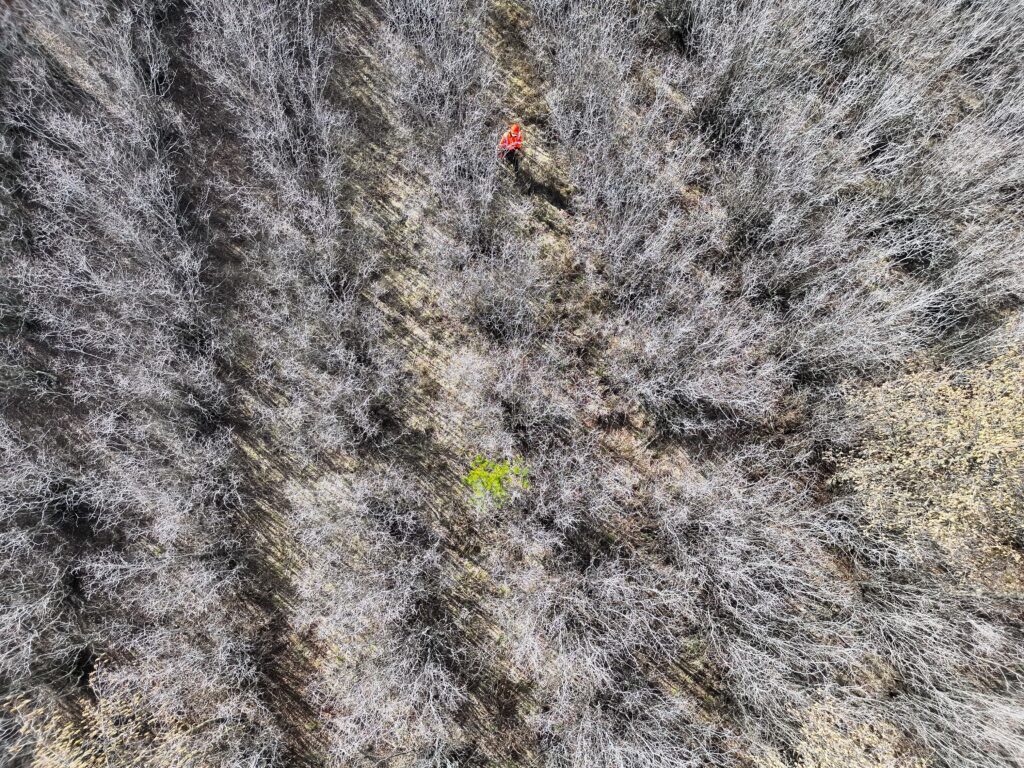
This time of year, wilding pines stand out clearly against nearby deciduous trees, making them easier to identify from the air.
The drone imagery is used to guide ground crews directly to the trees, reducing time spent searching and allowing control work to be carried out more efficiently.
While significant progress has been made, the work is far from over.
“Wilding pine control doesn’t stop once the big infestations have been removed,” Burton said.
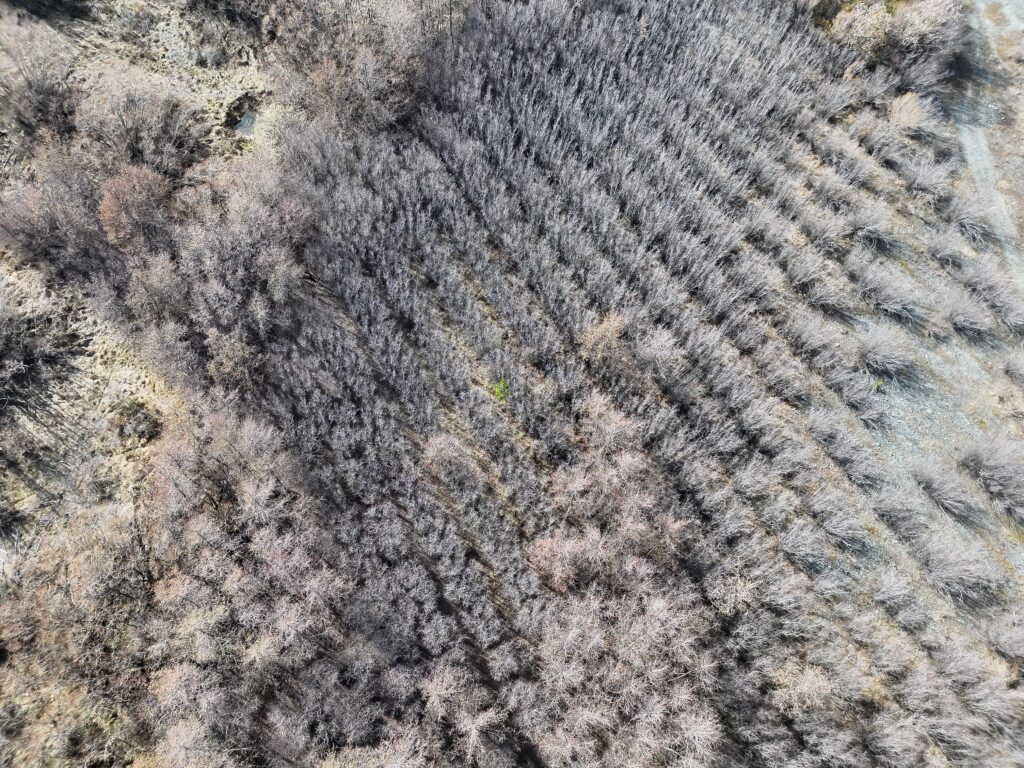
“New seedlings and scattered trees will continue to appear, so ongoing surveillance and follow-up control are essential.
“The good news is we’re now hunting individual trees in this area rather than tackling large infestations.
“That’s a sign of how much progress has been made, but we’ll need to stay vigilant to keep it that way.”
The drone work complements wider wilding pine control efforts across the Mackenzie Basin, with Environment Canterbury and the National Wilding Conifer Control Programme.
Posted in: News